
By Ali Leota, Hui Fono Event Coordinator
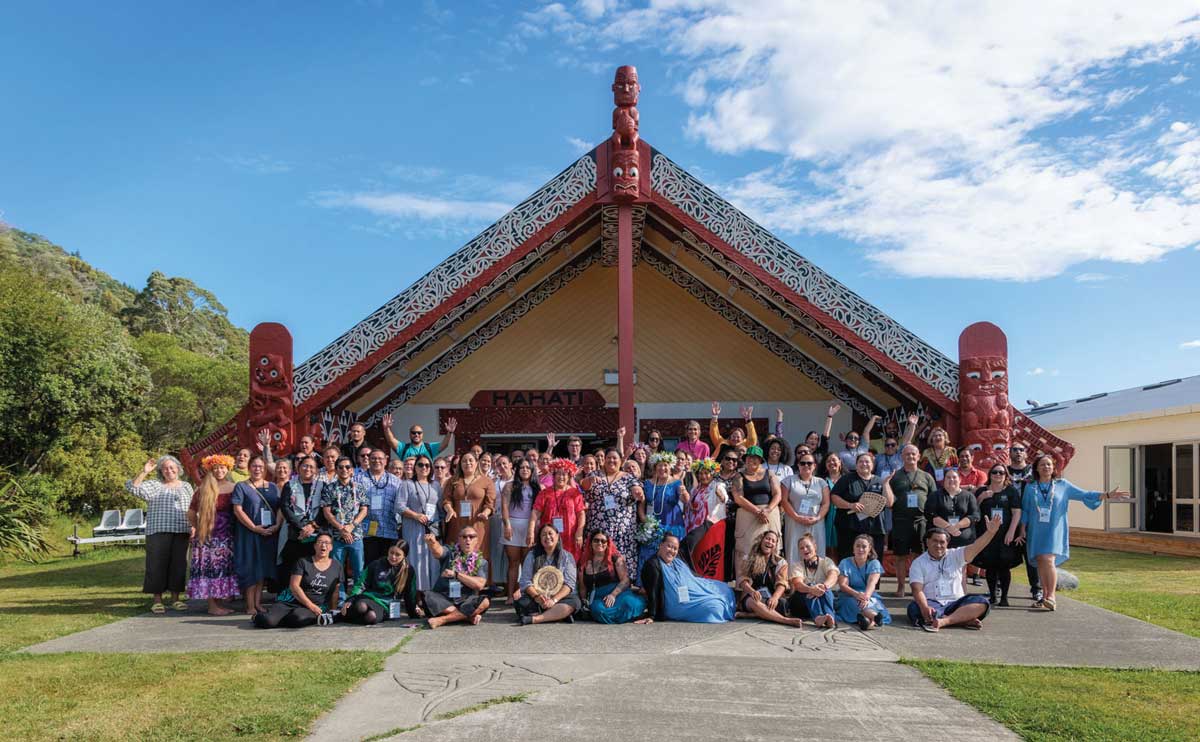
After three years of disruptions, the 14th Hui Fono was finally able to take place from 2–3 Poutū-te-rangi (March). About 100 Māori and Pacific Adult and Community educators from each corner of Aotearoa descended on Whakatū – Te Tau Ihu.
For the very first time in Hui Fono’s history, Whakatū Nelson was the home for this special kaupapa that enables access to professional development for our Māori and Pacific people across the Adult and Community Education sector. This Hui Fono was jointly hosted by Whakatū Marae and the Nelson Tasman Pasifika Community Trust.
The theme for Hui Fono 2023 was He Waka Eke Noa Weaving Cultural Practices in ACE. This theme reflects Hui Fono’s absence over the past few years, and recent events like the Nelson flooding and Cyclone Gabrielle which have highlighted the importance of improving wellbeing in communities, no matter what the challenge.
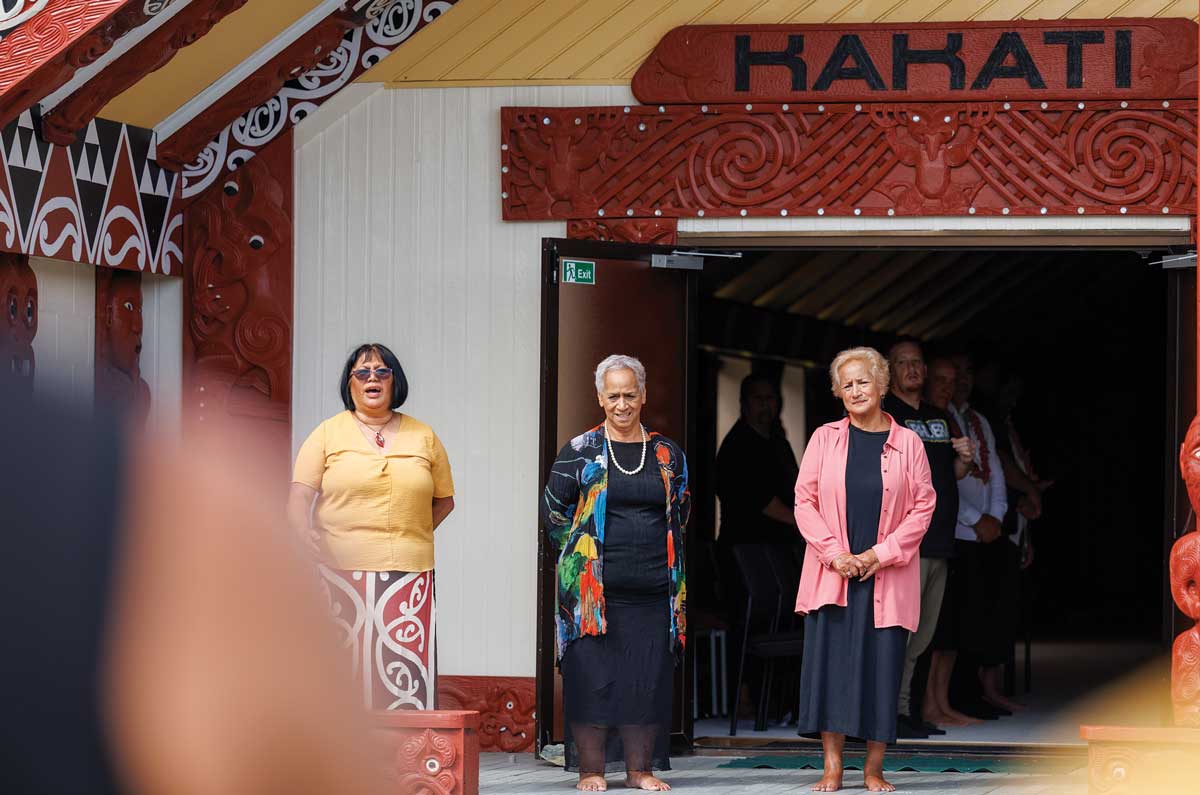 We got glimpses of the Hui Fono spirit through the Hui Fono Regional Workshops during 2021 and 2022, but what was experienced at those workshops could not be compared to the mauri that was felt at Hui Fono Whakatū. We were all fully immersed in a kaupapa that many Māori and Pacific across Adult and Community Education hold so close to their hearts.
The pōwhiri set the tone for what was to be an emotional two-days as goosebumps quickly filled the wharenui. We witnessed with pride and joy both Māori and Pacific sitting side-by-side on the paepae as each kaikōrero beautifully crafted te reo Māori, gagana Sāmoa, and lea faka-Tonga languages in such a humbling yet honourable way – a moment many will cherish for an exceptionally long time.
He Waka Eke Noa was realised through the immersion of everyone in an action-packed two days of shared cultural knowledge and practices; space for wānanga and talanoa and gaining inspiration from amazing Māori and Pacific leaders.
The opening speaker, Children’s Commissioner Judge Frances Eivers (Ngāti Maniapoto, Waikato), built on the mauri experienced during the pōwhiri. She highlighted the importance of connection and the significance of our mokopuna as part of our growing Māori and Pacific communities. Judge Eivers at the same time indicated the relevance of He Waka Eke Noa and the essential work of our Hui Fono whānau to embrace our cultural identities in any given situation.
Hui Fono deepened the learning experience of participants through the Ako Learning Exchange workshops. These learning spaces celebrate cultural knowledge and reaffirm cultural practices as a platform for learning and teaching. This year we were lucky to have several amazing Māori and Pacific educators who elevate the mana of their culture through educational practices.
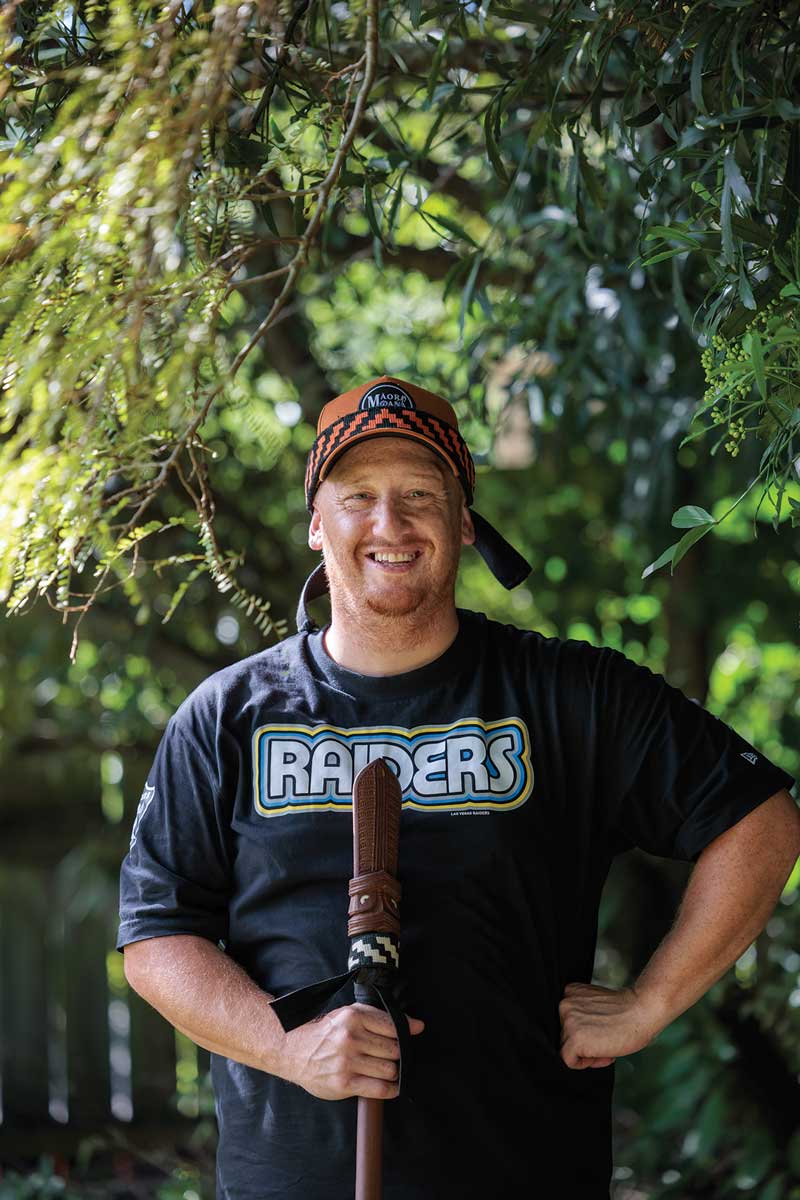 Raniera Petersen shared the underpinnings of mau rākau as he guided our Hui Fono whānau through the whakapapa of Te Whare Tū Taua ō Aotearoa. He shared the value mau rākau holds in connecting people to tikanga, mātauranga and Te Reo Māori and how it helps them navigate both Te Ao Māori and mainstream worlds fluidly. More importantly, our Hui Fono whānau were able to apply the whakaaro and mātauranga as Raniera guided each rōpu through movements whilst championing te ao Māori.
The Nelson Tasman Pasifika Community Trust demonstrated the weaving of Pacific culture into the fabric of their region through talanoa and ula making. The team shared their unique journey from humble beginnings to where they stand today and pearls of wisdom which participants can apply in their own communities.
Aiono Manu Fa’aea’s Ako Learning Exchange workshop explored how we as a Hui Fono whānau can critically reflect on vā (relational space) from a community perspective. Aiono’s session enabled each person to share a part of themselves to embrace and activate their own account of vā. Through Aiono’s guidance she empowered everyone to see vā as a foundation to support the aspirations of the communities we all love and support.
Lastly, in Peter Foaese and Melissa Lama’s Active Citizenship workshop, the Hui Fono whānau were reminded of the importance of their role as part of the wider community. Both Peter and Melissa navigated the concept of citizenship at an individual level, community setting, nationally and through a global lens. Underpinning all the knowledge shared was just how vital our cultural values are, and how they can be woven to help shape our Māori and Pacific people being active citizens.
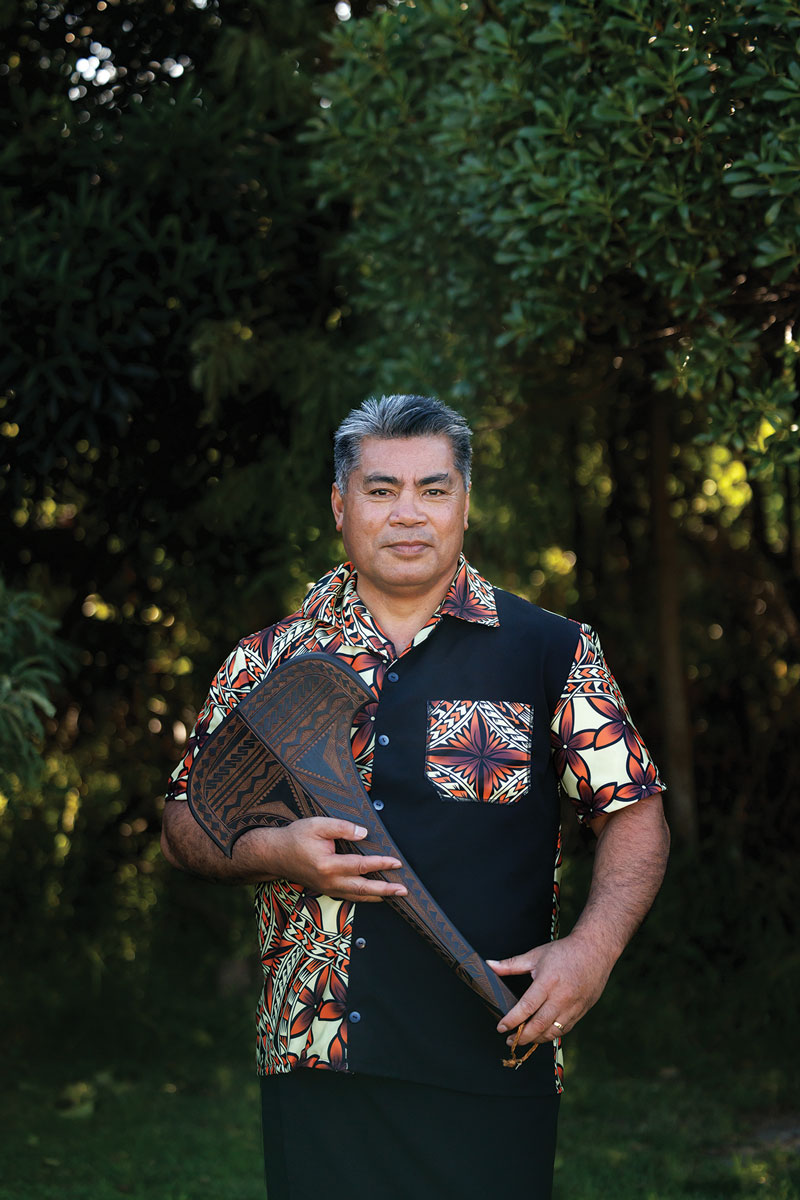 Sauileone (Sonny) Alesana was our final speaker, and he re-emphasised what Hui Fono is all about. His talanoa was a reminder for our Hui Fono whānau of the importance of He Waka Eke Noa – that together Māori and Pacific can collectively weave our cultural practices to navigate western structures. Sonny spoke truth to power on the importance of building relationships whilst maintaining our Māori and Pacific identity no matter what environment we occupy.
The presence of Hui Fono founders Bronwyn Yates, Pauline Winter and Sandy Morrison elevated what was already a humbling two days. After some time away as Hui Fono whānau, their presence brought Hui Fono to a full circle. Through the faikava circle they revealed how important Hui Fono is in removing all barriers for Māori and Pacific educators, giving the opportunity to develop and upskill in an environment that allows them to be themselves.
From the moment we set foot on the marae ātea during the pōwhiri to the closing karakia at whakakapi the laughs, tears, learnings, teachings, and memories shared will be cherished. These make an ever-lasting impact in the roles each person has in the community they serve. More importantly Hui Fono 2023 was a chance for our Māori and Pacific educators from Adult and Community Education to be reunited as a Hui Fono whānau once again.
About Hui Fono
By Analiese Robertson, Director, ACE Aotearoa
Hui Fono, the Māori and Pacific professional development event, was established in 2008 by a Tertiary Education Commission working group that was tasked with shaping professional development across all areas of the ACE sector.
As a result of that work, what became apparent was the paucity of Māori and Pacific providers that were being funded by the TEC. It highlighted the lack of access for these providers to professional development opportunities. They discussed whether existing offerings were sufficient to be of value to Māori and Pacific.
The answer was No. So they decided it was time for a unique space for Māori and Pacific to share good practice in an indigenous way.
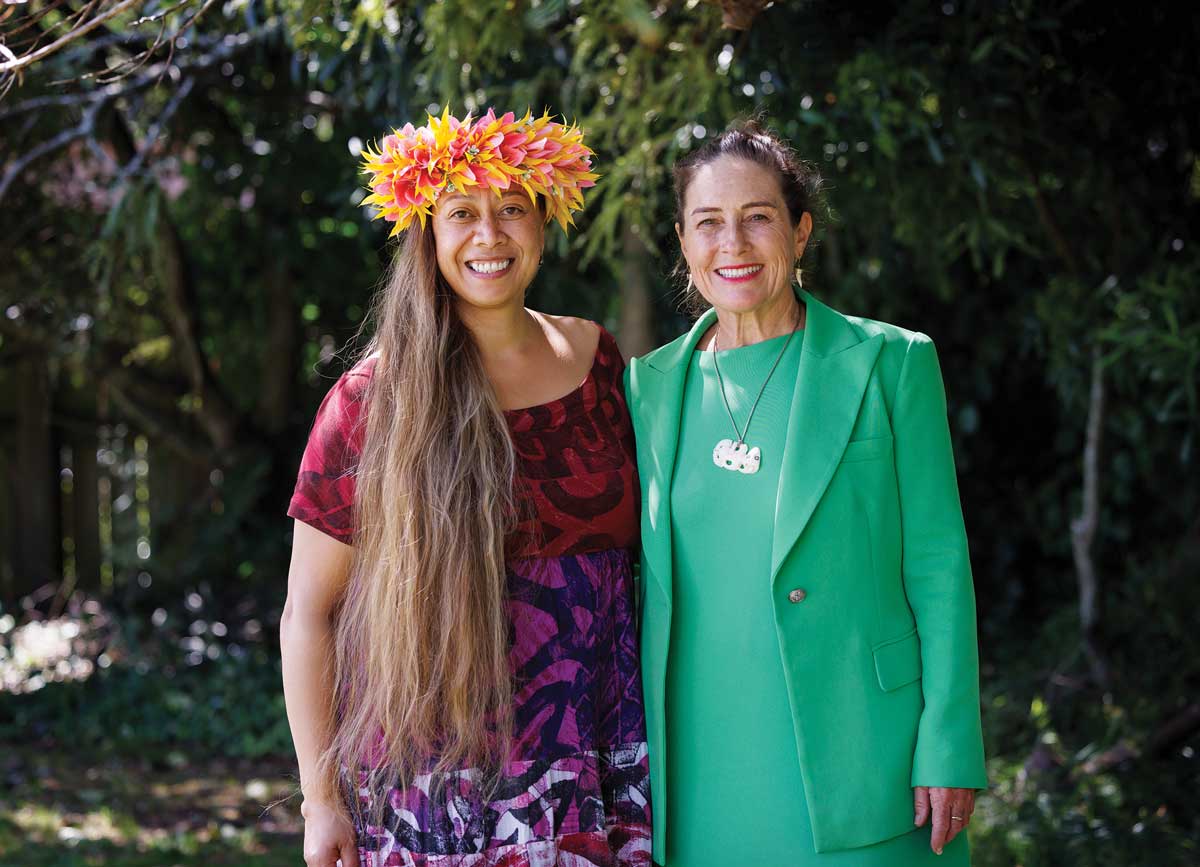 The first event was hosted by Literacy Aotearoa in 2008. By design, the programme was founded on whakapapa, allowing participants to connect across Te Moana nui a Kiwa, and provided an authentic, indigenous experience.
It was intentionally designed to create an experience for Māori and Pacific to identify what was important, hear aspirations, and talk openly about issues affecting practitioners, their learners and learning communities.
The first Hui Fono organised by ACE Aotearoa was held in Ōtautahi in 2008. It has been an annual event ever since.
Over the years Hui Fono has hosted political speakers and panellists who have been asked to share their policies for Māori and Pacific education – identifying issues and motivating action to address disparities.
Hui Fono is about enhancing practice and knowledge in a way that leads to transformative teaching and learning practices.
The words Hui Fono, bring together two agreed ancestral terms: Hui – representing te ao Māori, tangata whenua; and Fono – representing Pacific people, tangata o te moana nui a kiwa.
The purpose of Hui Fono is to reconceptualise education, reclaim identity, reconnect relationships across te moana nui a kiva, and normalise Māori and Pacific pedagogies and knowledges in learning spaces. It has become a movement that is growing in strength.
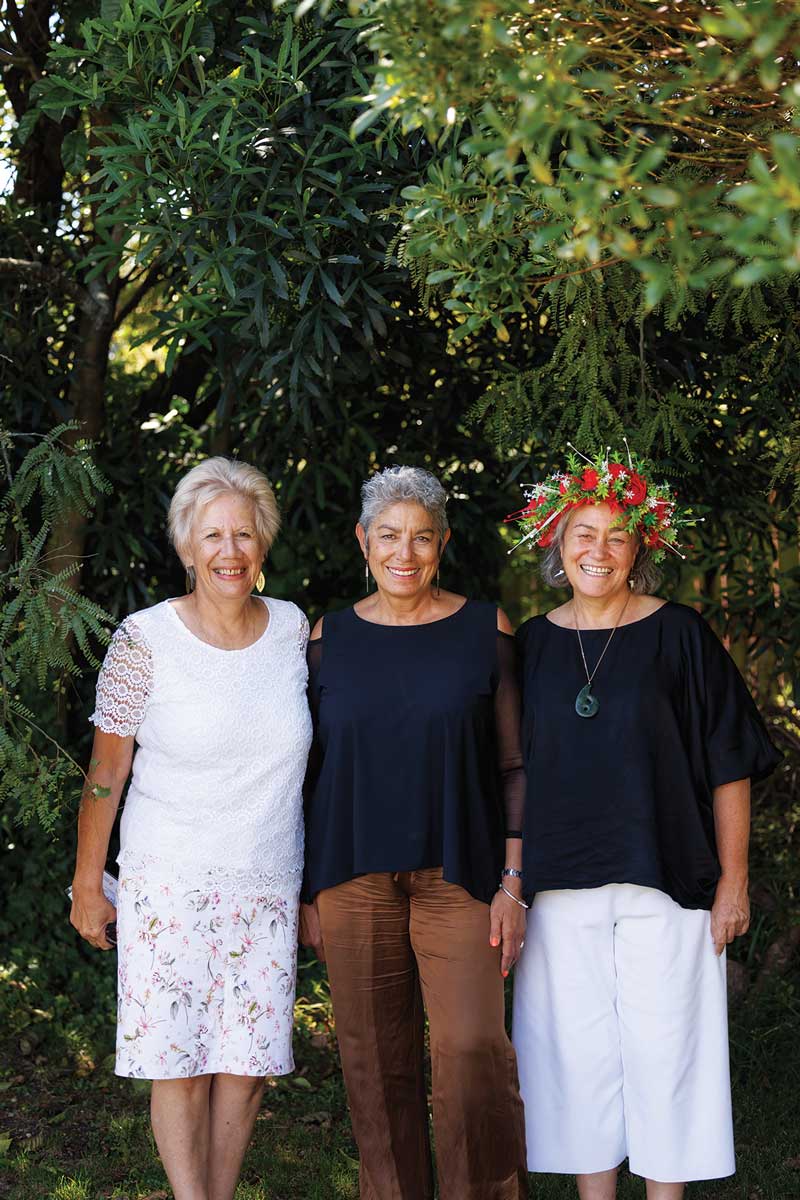 This amazing kaupapa would not have been possible if it were not for the visionary legacy leaders at that time who were in positions of influence to direct and guide policy decisions. We honour the founding members, Bronwyn Yates, Pauline Winter, Sandy Morrison and Timote Vaioleti. And we thank the Tertiary Education Commission for their continued resourcing of this unique event.
There have been thousands of Māori and Pacific educators who have benefited from attending Hui Fono. It has supported successful career paths for some who are now in senior positions. It has created meaningful relationships in communities, connecting learners to learning, providers to researchers, community educators to academics, libraries to literacy providers, youth programmes to the Children’s Commission, and advocacy groups to policy makers. As Professor Sandy Morrison said, “It can only sustain itself if others come on the waka to continue the journey”.