
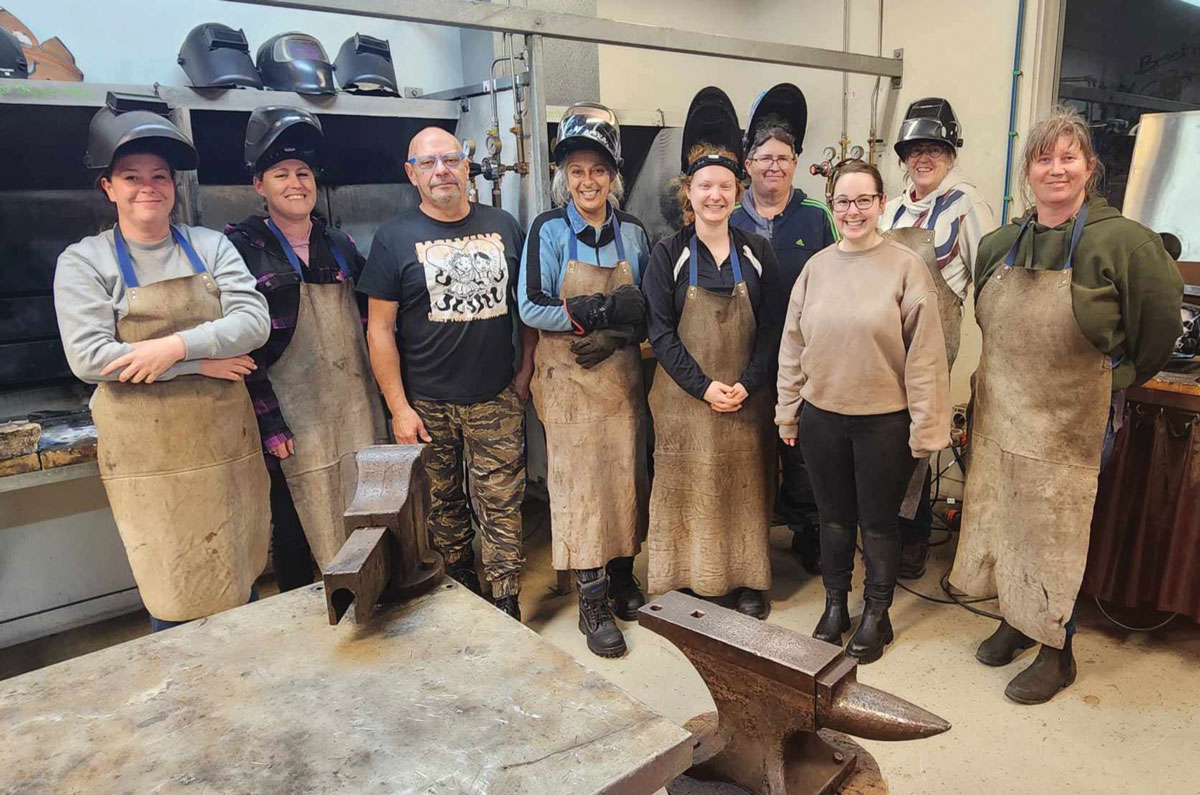
Kerry Cooper tutors welding through Fraser High School Adult and Community Education, but one of his classes has a distinctive focus. SheWeld is a women-only evening course designed to provide a supportive entry point for women who want to learn practical welding skills.
Kerry originally trained as a fitter welder more than 20 years ago. Growing up in Taranaki, he says that in those days many young men were encouraged into trades whether or not it suited them. While he enjoyed the craft of welding, he never felt comfortable in the culture of the workshop environment.
In the 1980s he took the opportunity to retrain as a teacher and completed a degree in social science. Teaching appealed to his interest in people and learning. He later became a technology teacher in secondary schools, teaching subjects such as metalwork and woodwork. Over time his trade background meant he was often asked to return to teaching in those areas.
Eight years ago Kerry began teaching welding through Fraser ACE.
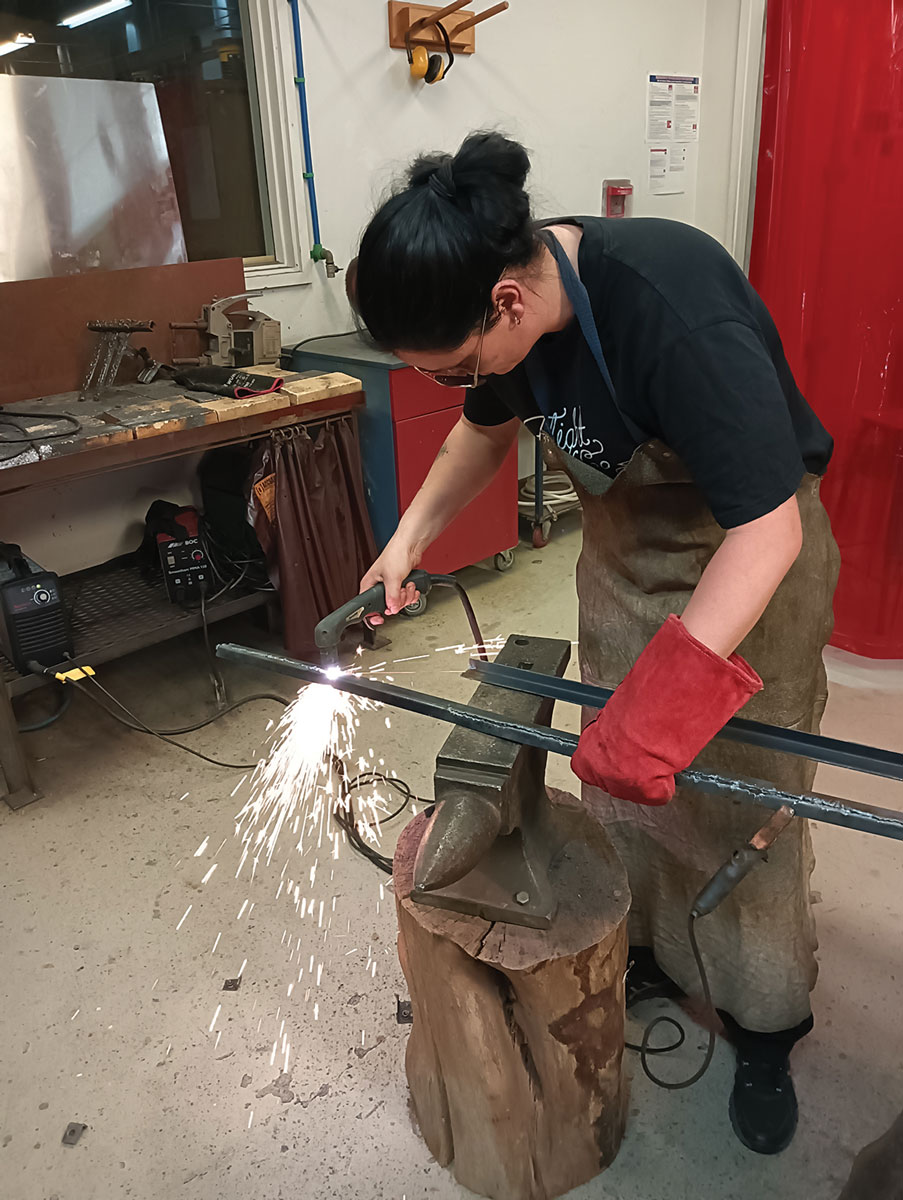 The women-only course was developed after Kerry noticed that many women were hesitant to enrol in mixed trade classes. Some were unsure about the workshop environment or unsure whether they would feel comfortable asking questions. Creating a women-only space was a way to remove some of those barriers.
Now in its third year, SheWeld has become one of Kerry’s most rewarding teaching experiences.
Each course runs over eight weeks with a three-hour session each week. Around twelve women enrol in the class, with usually eight attending regularly. Learners come from a wide range of backgrounds. Some are farmers who want practical repair skills, others are artists and makers interested in metalwork, while some simply want to try something new. Kerry says there is often a university engineering student in the class who wants to better understand the practical side of welding.
The course is designed as a short introductory learning experience rather than a formal qualification. The focus is on building confidence and practical capability through hands-on learning.
The first session concentrates on workshop safety and familiarising learners with the equipment. Kerry encourages participants to switch the machines on, adjust the controls and see how they work. For many learners it is their first time in a welding workshop, and this early exploration helps remove some of the intimidation associated with the tools and machinery.
By the second session the group begins practising basic welds, building on what they learned the previous week. As the course progresses, learners gain experience with grinding, welding and other basic metalwork skills that are common in engineering workshops.
Kerry sees his role as helping to demystify the craft.
“It’s about helping people realise they can do this,” he says. “Once the machines stop being intimidating, the learning comes quite quickly.”
He recalls one learner who works in a senior role at Health Waikato. She arrives early for each class and often leaves covered in workshop dust but with a big smile. I think this course provides her with a completely different environment to what she has during her working day.
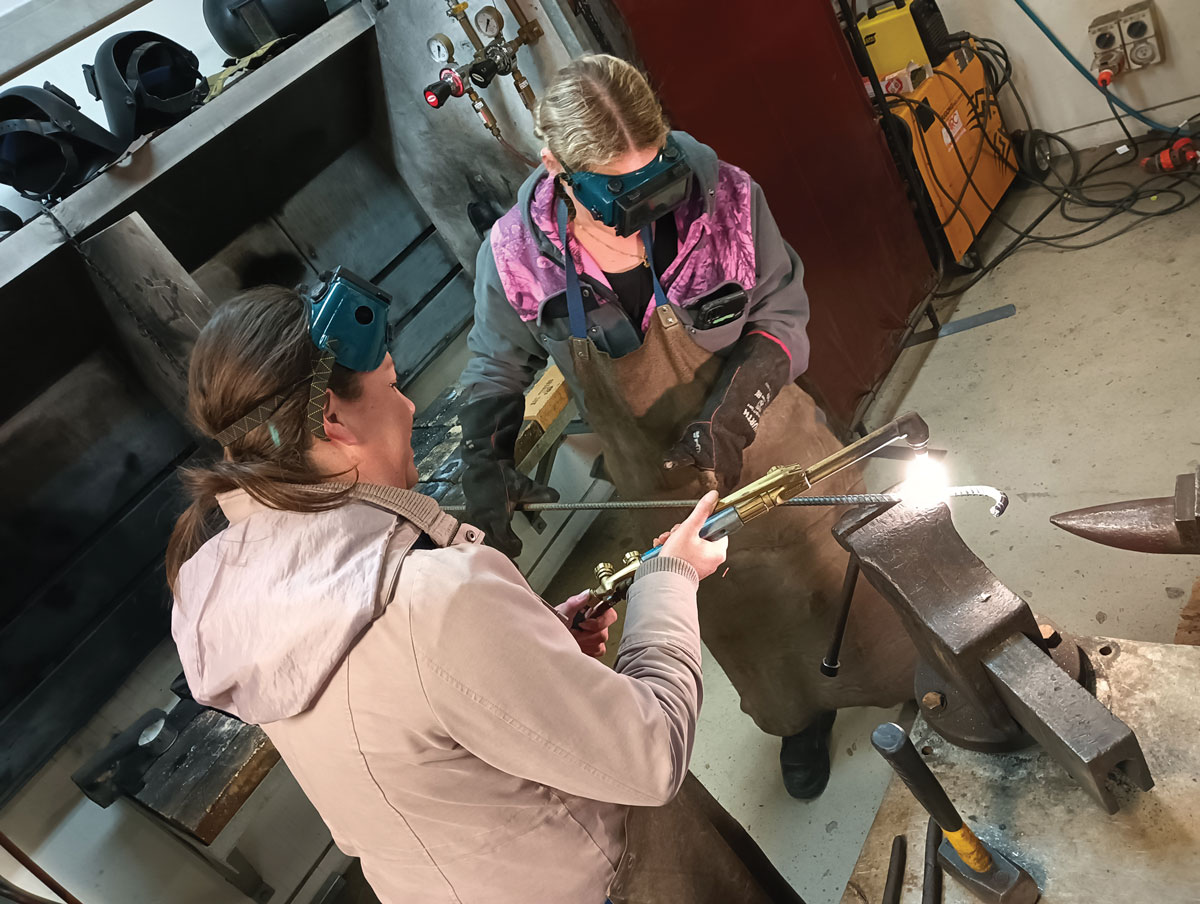 For Kerry, moments like that capture what adult community education is about. “We create opportunities for people to try something new, build confidence and develop practical skills in a supportive learning environment”.
“The class has its own vibe,” he says. “It’s simply a group of women welding together and learning from the experience.”