
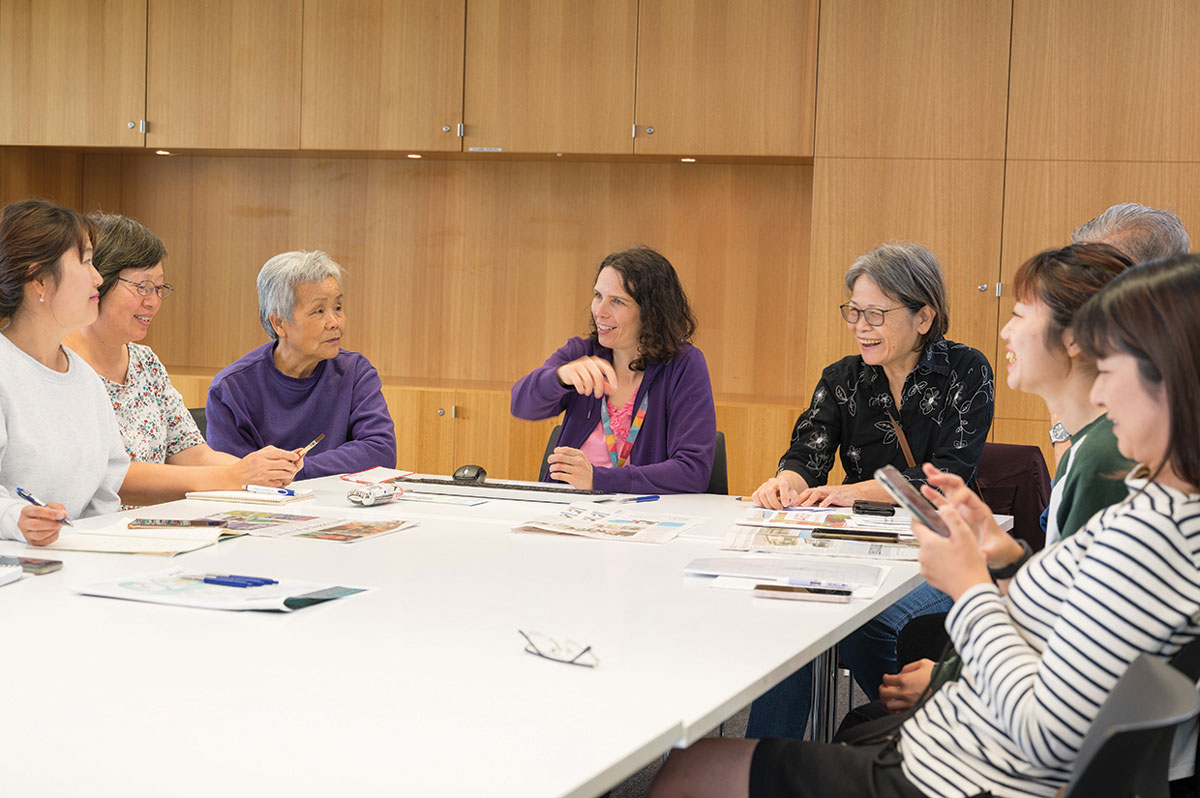
Libraries from across the motu play a significant role in supporting lifelong learning within communities. Beyond their traditional function as places to access books and information, libraries provide welcoming, accessible environments where adult learners can develop new skills, expand their knowledge, and connect with others.
Across towns and cities, library spaces host workshops, courses, discussion groups, and digital learning sessions that respond to local interests and needs. They offer opportunities for people to build confidence with technology, improve literacy and language skills, explore creative pursuits, and engage with topics that support employment, wellbeing, and civic participation.
By providing free or low-cost learning opportunities in a trusted public setting, libraries help remove barriers that can prevent adults from continuing their education. In doing so, they contribute to stronger, more informed, and more connected communities. For this issue we spoke to several librarians across the motu about the learning spaces they create and curate and we highlight the varied approach and drivers that each takes towards delivery of ACE in their communities.
Ōtautahi Christchurch
In Ōtautahi Christchurch, the learning/teaching role is deeply embedded in the history and ongoing work of Christchurch City Libraries, where learning is considered a core part of their purpose.
The origins of the Christchurch library service date back to 1859, when it began as a mechanics’ institute established to educate tradespeople and provide opportunities for further learning. Lectures and educational courses were central to its activities. That foundation continues to shape the organisation today. As Acting Community Libraries Manager Kate Ogden notes, learning has always been part of the library’s DNA.
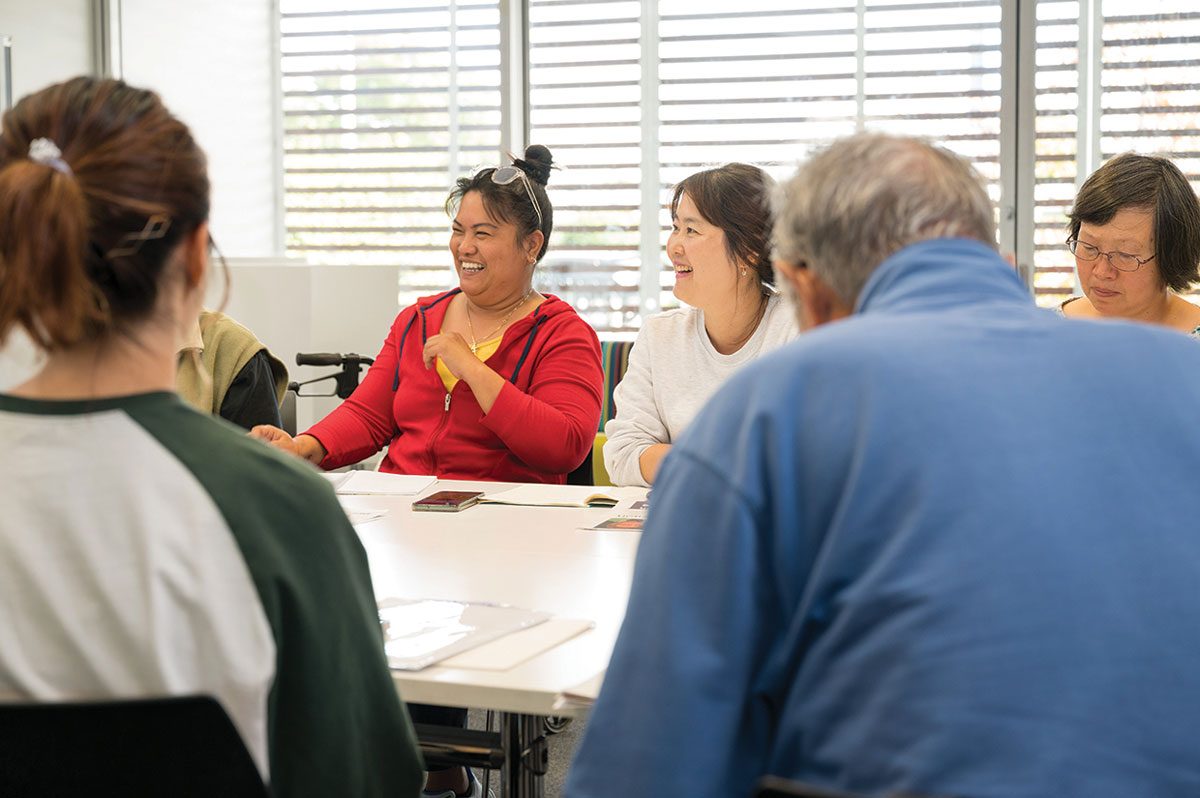 Over time, the form that learning takes has evolved in response to community needs. Kate, who has worked with Christchurch libraries since 2002, recalls a strong early focus on addressing the digital divide. Libraries offered introductory sessions on using computers, navigating the internet, and building basic digital skills at a time when home access to technology was not commonplace. Christchurch City Libraries established a computer laboratory at its Gloucester Street site as early as 2000, creating a place where people could both access and learn to use digital tools. The library service also led innovation in the sector, becoming the first in the southern hemisphere to launch a website and online catalogue.
Learning initiatives extend across all age groups, including programmes that support parents and caregivers of preschool children. These sessions focus on helping adults choose appropriate books, read effectively with children, and support early development. Librarians have developed specialist skills to deliver these programmes, recognising the important role they play in supporting families and encouraging early literacy.
For adults, libraries offer a wide range of short courses and one-off sessions designed to provide accessible entry points into new areas of interest. These “taster” opportunities allow people to explore subjects without a long-term commitment, while also providing a setting where participants can meet others and build a sense of belonging within their community.
Christchurch City Libraries has also invested in dedicated technology and creative learning spaces. Across three active learning sites in Ōtautahi, learners can experiment with equipment such as sewing machines, embroidery machines, laser cutters, 3D printers, and tools for sticker and design work. Staff are available on site to guide users as they learn to operate equipment and develop new skills. These spaces support practical, hands-on learning and make emerging technologies more accessible.
Intergenerational learning is another area of focus. Through initiatives such as Gen Connect older adults are paired with secondary students who provide support with digital technology like using a smart phone, tablet and laptop. In return, students gain valuable life experience and communication skills. This reciprocal model supports digital inclusion while strengthening understanding between age groups.
Libraries also provide space for language and cultural learning. At New Brighton Library, for example, the Kōrero me te Reo group brings people together to practise te reo Māori in an informal, supportive environment. Such programmes offer opportunities for language development while also strengthening community participation.
As digital services and information sources continue to expand, libraries play a key role in helping people navigate an increasingly complex environment. Christchurch City Libraries provides access to LinkedIn Learning. LinkedIn Learning is an online education and skills development platform that offers a large library of expert-led courses in areas such as business, technology and creative skills. The platform includes thousands of courses taught by industry professionals, covering topics from software and digital tools to leadership and professional development. Courses are typically structured as short video segments and are suitable for a range of skill levels, from beginner to advanced.
Users can access the content at any time, track their progress, and often earn certificates upon completion, which can be shared or used to support employment or professional learning goals.
Across the network, librarians see themselves as information specialists who support learning in many forms. Programme, Events and Learning Manager Hayley Browne describes libraries as a trusted source of guidance in a rapidly changing world. While the future shape of learning may continue to evolve, Christchurch’s libraries remain focused on providing reliable spaces, knowledgeable support, and practical opportunities that help people build skills and confidence at every stage of life. “We are a trusted brand, and we are here to help people navigate their future. We help and walk side by side with people as they follow their learning journey.”
Terry Uriarau
Terry Uriarau is a regular adult learner at Ōtautahi/Christchurch Linwood Library. Terry grew up in the Hawkes Bay and left school at fourteen to join the military. When he completed his time there, he chose to stay in Christchurch. After his adult children had left home he chose to fill his time with study. Terry visits the Linwood Library every day and is currently completing a diploma in Quantity Surveying online. Terry says he was used to studying face to face and found it hard to relearn in a digital world, but the library staff provided great support to help him get to grips with online learning. “The library staff have the skills in fields to help and without their support I would have stopped learning. I will keep going now until the library doors close.” Terry says the library provides a space without distraction and “there is no better learning place than here.”
my.christchurchcitylibraries.com/library-stories
Waimakariri
Luke Sole, District Libraries Manager for Waimakariri District Council, oversees a network of three libraries located in Rangiora, Kaiapoi and Oxford. Like many public libraries, Waimakariri Libraries play an important role in connecting communities, particularly those in more rural or outlying areas.
Waimakariri has a slightly older population than neighbouring districts, with residents on average around 10 years older. Traditionally, this has meant strong use of core library services such as book lending and reading. As the libraries have developed into community hubs, the focus has broadened to include new programmes and services designed to attract a wider range of people and encourage longer, more regular visits.
In 2024, Waimakariri Libraries joined Alzheimers New Zealand’s Dementia Friendly Recognition Programme and are now accredited as Working to be Dementia Friendly. This recognises that the libraries meet key criteria across five dementia-friendly standards. Libraries provide shared reading opportunities and specialised resources such as memory cards and targeted book collections, designed to prompt memories and support engagement for people in the early stages of dementia.
Alongside these initiatives, the libraries continue to deliver structured learning programmes, including digital skills classes aligned with curriculum expectations. They have also expanded into more experiential and informal lifelong learning opportunities. These include author talks and practical sessions such as repair cafés, where people can use sewing machines and other equipment to fix household items. These activities provide different entry points into learning, often in ways that feel social and practical rather than classroom-based.
Programmes are designed for a wide range of ages. In some cases, activities originally developed for children have been adapted to suit adult learners. The libraries also host Talking Cafés, providing space for community-led discussions. These are considered a form of informal learning, where people come together to share experiences and information. Recent sessions have included a Death Café, offering a supportive space for people to discuss end-of-life matters and experiences of loss.
Recognising that library staff are generalists, Waimakariri Libraries often work with external facilitators to deliver specialist courses and workshops. Partnerships are a key part of their approach. With limited budgets, the libraries collaborate with organisations that share similar goals and can bring outreach funding or expertise, making effective use of library spaces.
One recent partnership was participation in the MSDsupported Digi-Coach: Pathway to Employment pilot. This 13-week, work-based learning programme helps job seekers build digital skills while supporting their communities. Between February and June 2025, 30 participants across Canterbury, Wellington and Waikato delivered around 7,000 hours of digital support to approximately 4,700 learners.
Through this programme, two young job seekers were based at Waimakariri Libraries, where they ran digital skills sessions and provided one-on-one support. The sessions were well attended, with many participants returning regularly. The experience also gave the job seekers insight into the role libraries play in community life, while allowing them to build confidence and practical experience in a supportive, realworld environment.
Library staff also assist community members with accessing government services and completing online processes. Through the Book a Librarian service, people can receive one-on-one help with tasks such as passport applications and navigating official websites. Luke describes this as a collaborative community response model, where libraries provide practical learning support alongside their traditional roles.
Selwyn
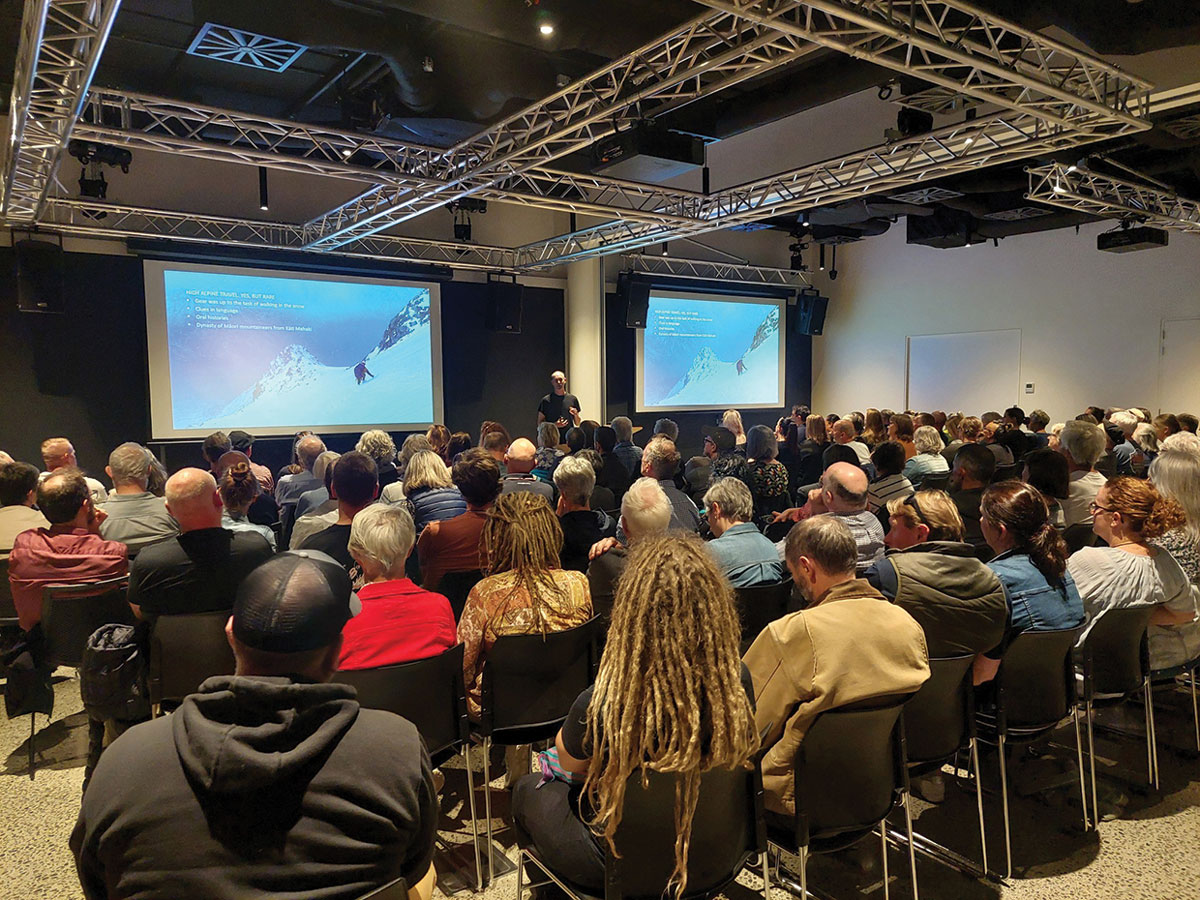 Mat Logan is Culture, Content and Learning Manager at Selwyn District Council.
Selwyn District, in the Canterbury region, had a population of 78,144 at the 2023 Census, reflecting growth of 29 percent since 2018 and making it one of New Zealand’s fastest-growing districts. Selwyn Libraries provides free membership to residents and ratepayers and operates branches in Rolleston (including Te Ara Ātea), Lincoln, Darfield and Leeston, as well as a mobile library serving smaller communities. In 2023–24 the libraries recorded nearly 492,000 visits, highlighting their role as widely used community facilities offering access to books, digital resources and programmes.
Mat says public libraries across New Zealand play an important role in providing accessible learning opportunities. In Selwyn, the focus is on short “taster” courses designed to introduce people to new skills and interests. These programmes are intended to reach beyond traditional book borrowers and engage a broader range of residents, including those who may not otherwise use library services. The aim is to spark interest and support people to continue their learning journey with other community providers. Selwyn Libraries positions itself at the start of that pathway, offering introductory experiences rather than in-depth training.
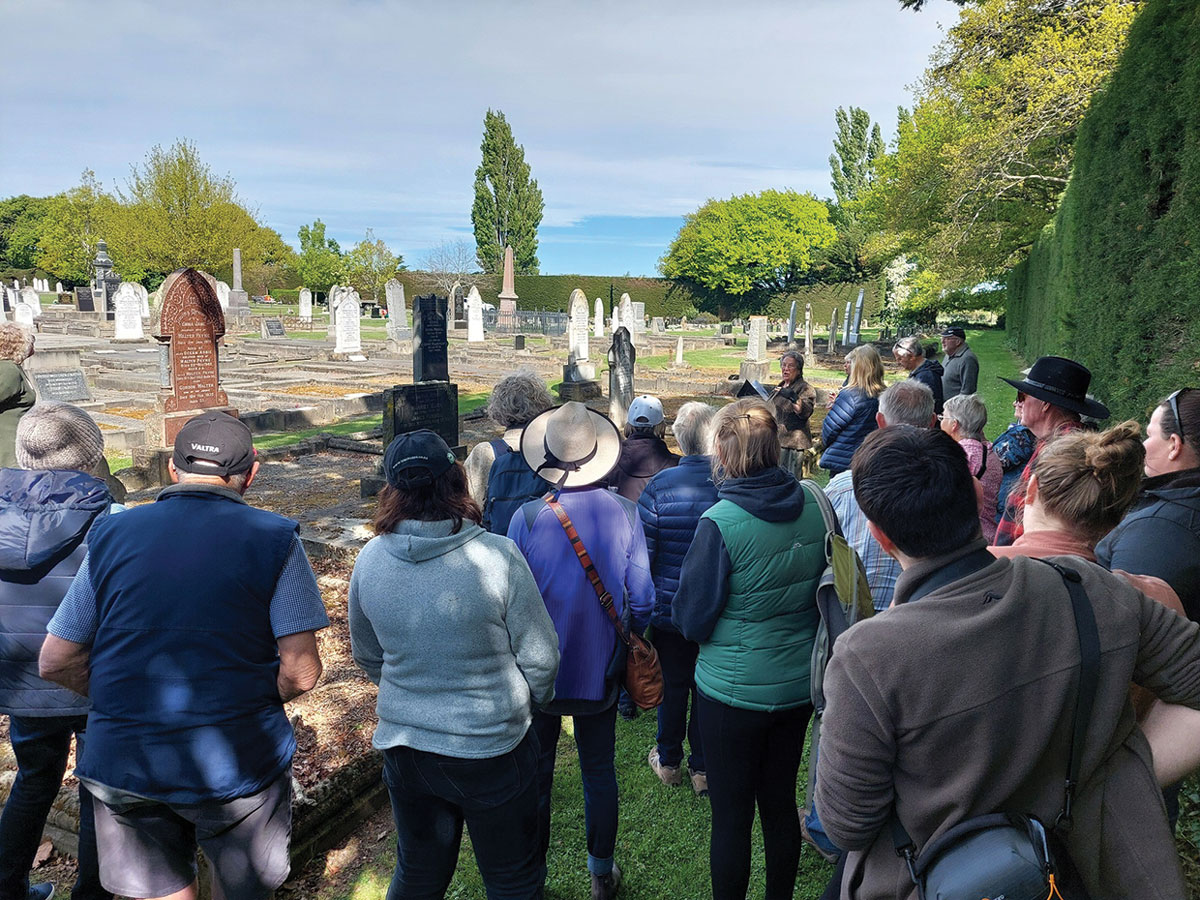 Programmes are developed with input from community experts, enthusiasts and qualified tutors. Selwyn Libraries delivers around 2,000 programmes each year, with approximately 30,000 attendances. Ideas come from publishing trends, community feedback and staff suggestions, with many concepts explored before a final schedule is confirmed. Topics range widely and have included gin making, fly fishing and lawn care. Most sessions run for 60 to 90 minutes, while some courses, such as te reo Māori and other language classes, run over several weeks to allow more sustained learning.
Tāmaki Makaurau Auckland
Shirley Reyno, Team Leader Whānau Learning and Alexis McCullough, Whānau Learning Specialist, are part of the team supporting community learning across the Auckland Council Libraries network. They explain that community learning in Auckland Libraries began with a strong focus on digital and technical skills. Over time, the programme has expanded to include literacy and numeracy, health education, English language support, and a range of social and wellbeing topics.
In 2025, twelve Auckland libraries took part in Adult Learners’ Week He Tangata Mātauranga Festival, highlighting the contribution libraries make to lifelong learning.
Most community learning is organised by librarians within individual libraries with topics reflecting local demand. Alongside this, the centralised Whānau Learning team coordinates regional programmes where there is shared interest across several communities.
Partnerships are central to this delivery. Whānau Learning partners with organisations such as Literacy Aotearoa, the DIAA and other literacy and community organisations to extend what they can offer. Individual libraries also build their own relationships. For example, Mt Roskill Library has recently partnered with Stroke New Zealand to deliver sessions on stroke management, providing practical information for people affected by stroke and their families. Where there is strong demand, the Whānau Learning team identifies opportunities to partner with organisations connected at the community level to look into offering courses more widely across the network.
Auckland has 21 local boards, many of which work together in clusters to plan community activities. Libraries share ideas across these clusters, helping to spread successful initiatives to other sites.
The Whānau Learning team has also helped to strengthen Auckland Council Libraries’ relationship with ACE Aotearoa. In recent years they have hosted two rounds of the Successfully Teaching Adults course, with around 50 staff attending. Alexis says the course has helped staff adopt a learner-centred approach, focusing on listening to learners, understanding their needs, and delivering services that are accessible and relevant.
Some programmes respond to topics that are less often discussed in public settings. Death Cafés, held monthly at ten libraries, provide a facilitated space where people can talk about end-of-life planning and practical matters. These sessions are based on an international model and are designed as open discussions rather than support groups. Participants share information and experiences in a respectful and informative environment. Death Cafes are one of the initiatives delivered through the Whānau Learning team’s partnership with Mercy Hospice and Honohono Tātou Katoa Creating Compassionate Communities Charitable Trust.
Another example is BrainCharge, a programme first developed at Whangaparāoa Library and later offered at other nearby locations. It provides structured activities aimed at supporting cognitive health for older adults. As interest has grown, the Whānau Learning team is working on regionalising this programme so it can be delivered widely across the network, enabled through staff training and consistent promotion and marketing.
Across Auckland Libraries, around 3,000 adult learning programmes are offered each year, attracting approximately 60,000 attendees.
Last year, the Whānau Learning team completed Auckland Council Libraries’ Literacy Plan for 2025–2028. This plan sets out how their team will work across the library network, strengthen partnerships, and ensure that community learning continues to reflect the needs of Auckland’s diverse population.
New Plymouth
 Angela Jowitt, Manager Libraries at New Plymouth District Council, oversees a network of seven libraries that provide a range of adult learning opportunities across the district. While resources limit how much can be offered, librarians use their own skills and local knowledge to run practical, communityfocused sessions.
When the libraries became part of Puke Ariki in 2003, they worked alongside the museum to share knowledge and programmes. More recently, the Govett-Brewster Art Gallery and Len Lye Centre joined this partnership to form the Council’s Cultural Experiences Group. Staff of the three entities now collaborate to plan events and learning activities, drawing on each area’s strengths.
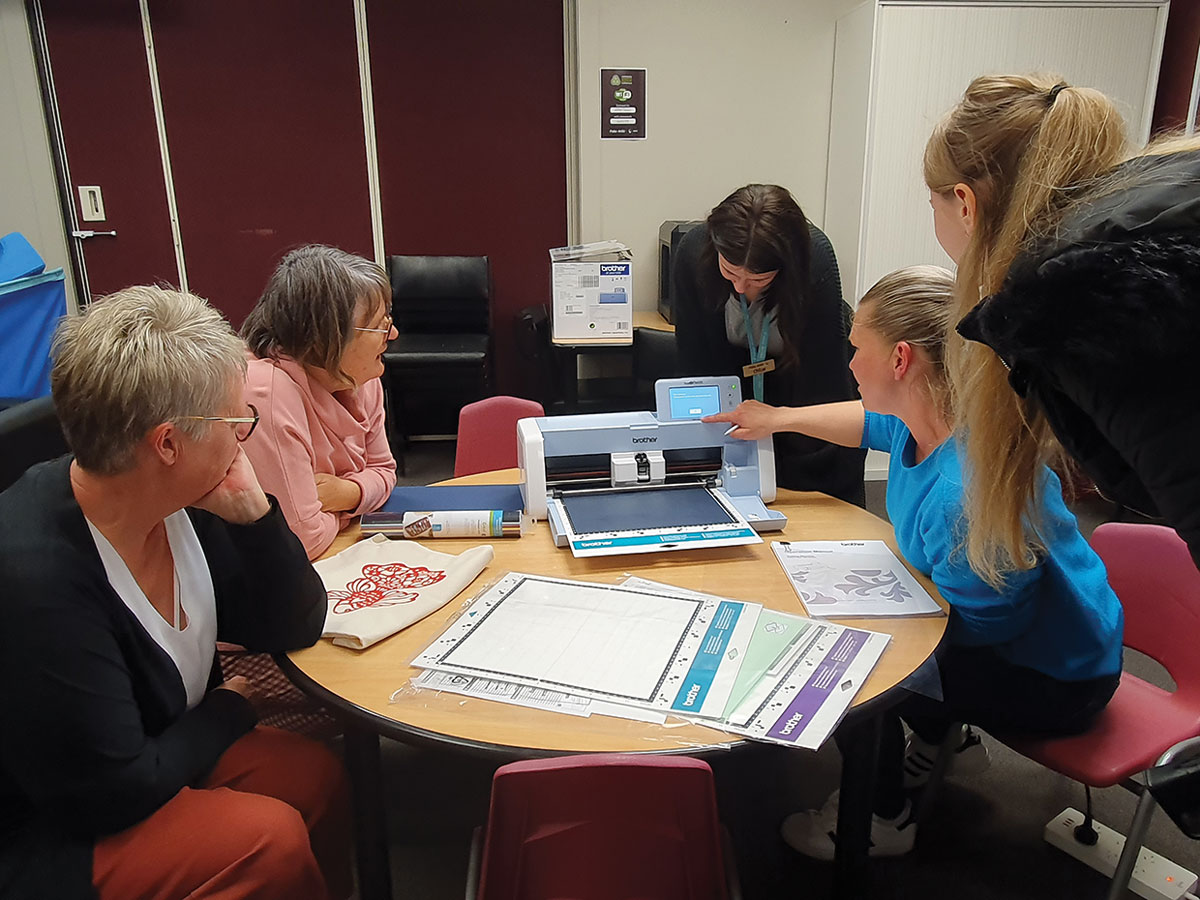
The libraries offer digital literacy support, a small makerspace with weekly tutor sessions, and classes such as sewing. Staff also provide one-to-one help with recent examples seeing library staff assist Mike Stewart-Jacks to print a new cog to fix his concrete mixer. Mike measured up the old worn out part and worked with the library to create the 3D file. Other initiatives include a dementia-friendly book group run with Alzheimers Taranaki, evening craft sessions, and a strong programme of cultural activities. Angela says that the Te Ao Māori offerings have been particularly popular with sessions including weaving workshops, an exploration of Tukutuku panels, Matariki events and Te Wiki o Te Reo Māori sessions and learning opportunities.
Despite tight budgets, the team continues to build partnerships and explore joint programming so they can extend learning opportunities across the district.