
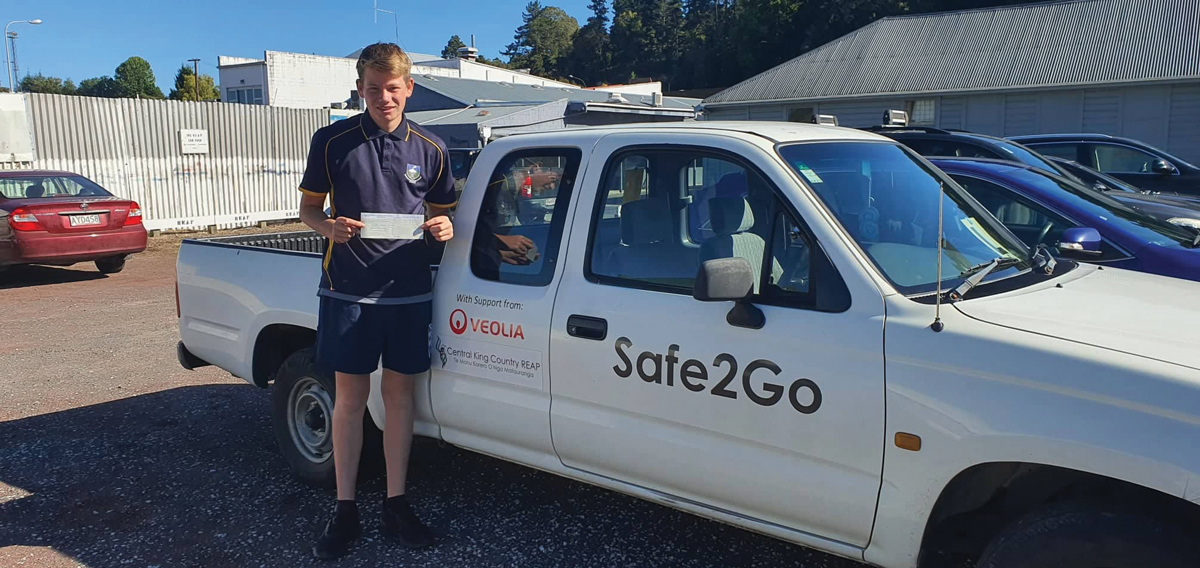
Taumarunui has a population of around 2500. The rohe that Central King Country serves has a population of about 5000. Last year the REAP put 98 people through their Safe2Go programme, and in partnership with the Mayors Task Force for Jobs, 66 people into work.
The Safe2Go programme, which was kick started in 2016 with funding from the MSD Social Sector Trials, is the REAP’s solution to two serious community problems: the number of recidivist driver licence offenders in the district and the barriers to employment faced by people without a valid driver licence.
Safe2Go is open to anybody, but preference is given to those referred by the NZ Police Awhi programme, Work and Income clients, and work ready rangatahi transitioning from secondary school.
The programme prepares learners for both their restricted and full licence.
Hiraina Tarawa is the ACE co-ordinator at the REAP and she says that, in terms of becoming a legal driver, there are three main barriers faced by disadvantaged people: no suitable vehicle; no experienced driver to teach them; and no money to pay for getting the licence.
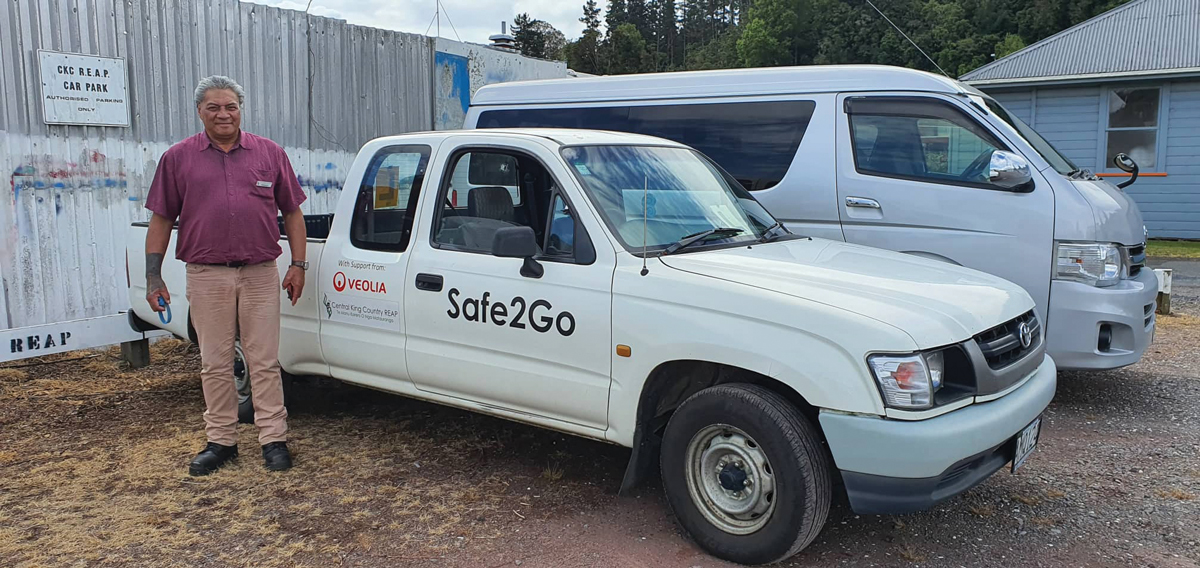 So the REAP has two vehicles, one donated by a local company and two paid driving mentors, one full time and the other part time. The organisation uses philanthropic grants to pay for the licence if the client is unable to.
Hiraina says that some participants may need 4–5 lessons, others 10–20 or more. “Ideally, we encourage every learner to have 120 hours of supervised driving practice before they sit the test. They have at least 60 hours with us, and if possible, they have the rest with a member of their family.
“The learner drivers we support have overwhelming gratitude to their mentors. They haven’t just been driver mentors, they have filled a social space, providing companionship, helping the learners feel at ease. The relationship is about much more than just driving lessons.
“We had one young man who was with us for quite a long time. He had failed his restricted three times because he was so nervous when it came to the test. But his mentor provided pastoral care and helped to build up his confidence. He finally got his licence. It was a major achievement for him, and he got a job at the local pet food factory. He was absolutely stoked.”
While having a driver licence is often a pre-requisite for many jobs (the Auckland Business Chamber says that people with a full or restricted driver’s licence are able to apply for seven times more jobs), getting a job can still be difficult for some people, so the REAP partners with the local council’s Mayors Task Force for Jobs (MTFJ) to make that happen.
“We have a contract with the council to help place people in meaningful, sustainable employment,” says Hiraina. “We build relationships with local employers and help them find people who are a good fit for the job. So we sit down with people and find out about their interests and their goals and pair them up with a suitable employer. We like to focus on quality rather than quantity. The jobs must be a good fit for both the employee and the employer.”
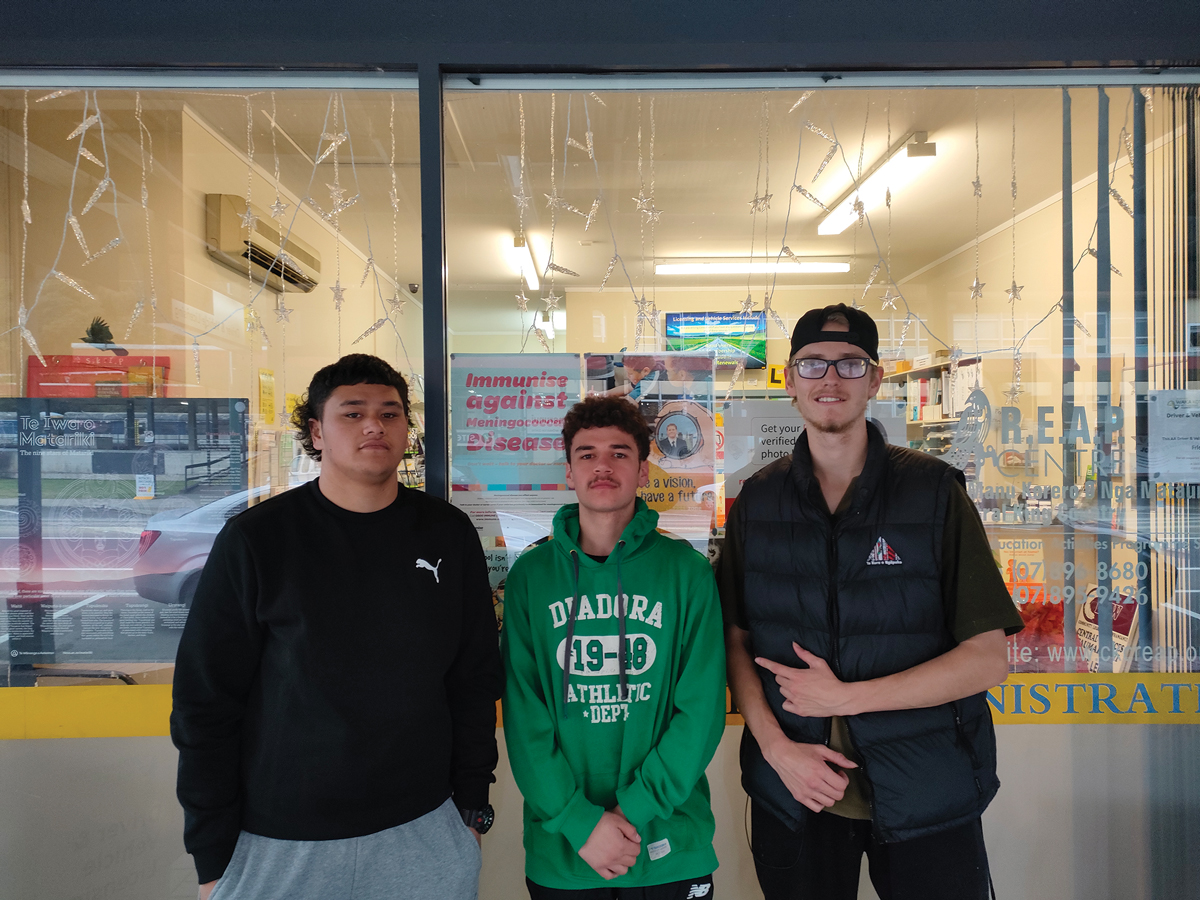 Part of the process involves getting the job seeker qualified with the basic certificates that most employers expect, like First Aid.
Some jobs also require a qualification such as a forklift licence and REAP sees to it that the job applicant completes this training. About 15 percent of the people they are helping into employment, says Hiraina, go onto further education, including literacy and numeracy support.
Peggy Veen, who is the Ruapehu District Council staff member who does most of the liaison work with the REAP says they are the perfect partners for their Mayors Task Force for Jobs programme:
“There are other REAPS around the country that partner well with the MTFJs. The REAPs have a good reputation, a good track record in the community. They are quite neutral, and they have a lot of activities and programmes that complement what we do. They have a focus on marginalised young people who leave school early and who are disadvantaged in the labour market, so they have a good relationship with our client base. They can identify their needs, whether it be something like mental health, literacy and numeracy or family issues. Then they can work to make sure these needs are addressed so that the young people can either go onto further education or employment. They provide pastoral care. They can help youth get their driver licence. In this community getting and keeping a driver licence is essential for most of the jobs that these young people go into. And they negotiate with multiple employers to find the right job. They get fantastic outcomes. They were probably leading the country in terms of outcomes.”
Dianne Bunn, the REAP’s Manager, says that the MTFJs programme helps the REAP because it picks up young people who may not be MSD clients, but who need help to get a job.
“The MTFJs is a vehicle for some people to get employment. Young people under 18, or those with a partner working won’t be MSD clients, but they still need help to move into employment.
“We work very individually with each person. Our focus is always on making sure that, as a result of our services, the individual is better off. That’s true for all of our contracts such as school attendance and Strengthening Families where we coordinate a team approach and make sure that the individual, and if appropriate the family, set goals and work out a plan for themselves.
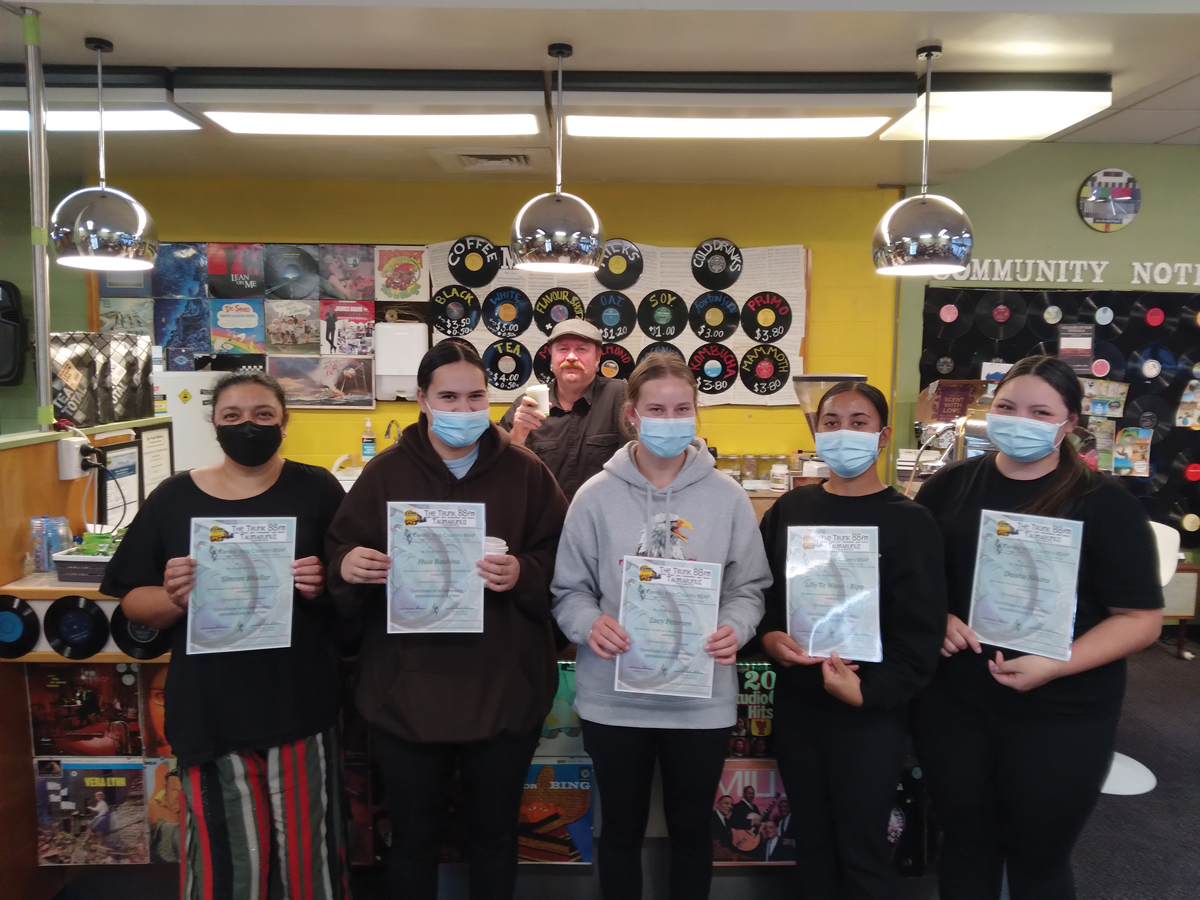 “The partnership with MTFJ works really well because the council has access to a lot more information, such as up to date regional statistics. The contract is not prescriptive. They are there for support and can get information when we need it, otherwise they let us get on with the job.”
While a big focus for the REAP is employability, they also offer courses that support general wellbeing and social cohesion. For example, Mental Health 101, which was established post Covid, provides a space for people to come and talk about their lockdown experience. “It is helpful for a lot of people,” says Hiraina. “They share stories about being alone and not being in the digital space and feeling isolated.”
People can also get help with their digital devices by booking an hour-long session with the REAP’s receptionist who takes time out to sit down with them and help them with things like setting up Facetime. When needed, banks are invited along to teach people how to use digital banking and the REAP works closely with the Digital Inclusion Alliance which provides modems for low-income families so they can be in touch with whānau.
And of course they have the well-attended Te Reo Māori courses which ran online during the lock downs and this year (with two Māori from Australia joining in) the regular face-to-face sessions. Isobel Pickering, a primary school teacher new to the district, says that the course has allowed her to use more te reo in her classes. And that, she thinks is important. She has also used Safe2Go to get her restricted driving licence. A nervous learner, she appreciated the calm support provided by her driving mentor.
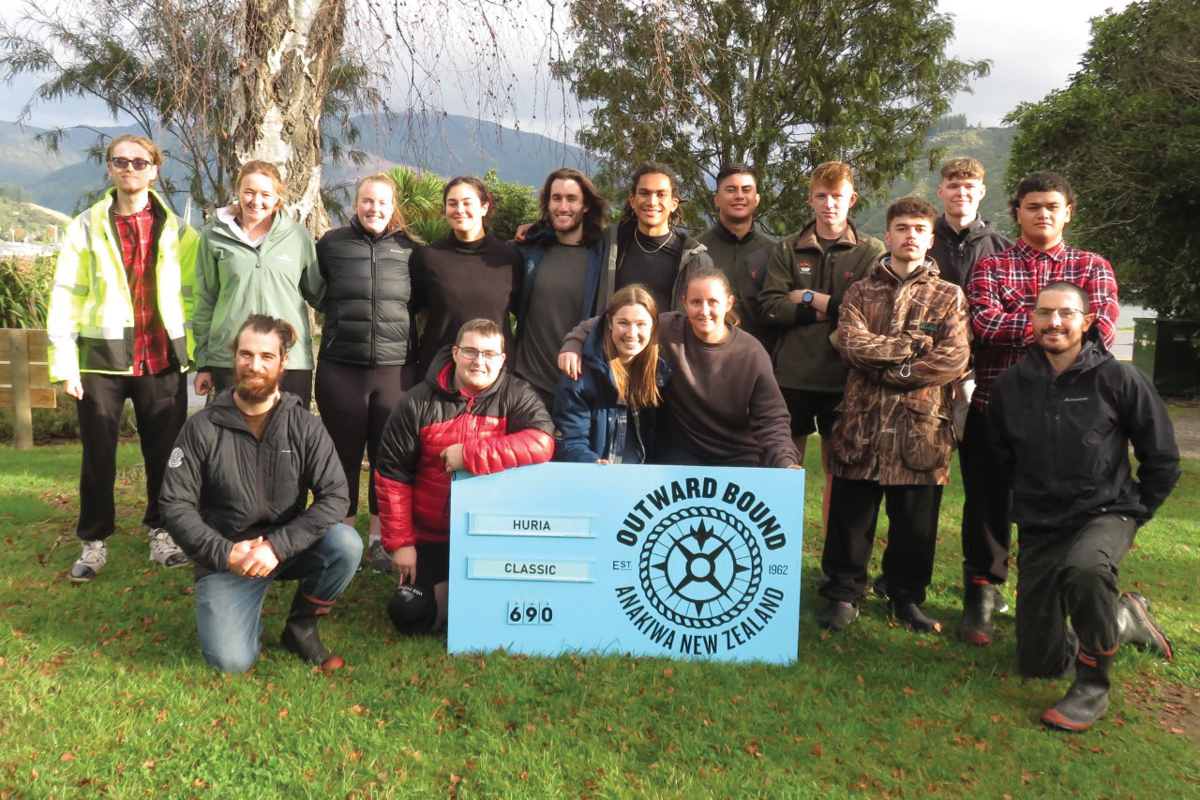
In a small community such as Taumarunui, Central King Country REAP has a significant role to play. They are teaching essential skills, providing support, and keeping people connected. Kaumātua often drop in for a cup of tea and the local agency network, Nga Kaumātua o te Mauri Atawhai Community Network Hui gets together each month to keep in touch with what’s new and what’s needed. The small Central King Country REAP can often oblige.